ANTRAC: anthracnose detection UGV
An AI-enabled unmanned ground vehicle that finds chilli anthracnose in the field and sprays fungicide only where the crop needs it.
- Role
- Mechanical design, fabrication, and electrification lead
- Timeline
- Jan 2025 to Oct 2025
- Team
- University research team across mechanical, electronics, and vision
- Status
- Launched by IPB University in May 2025
The problem
Chilli anthracnose spreads fast and is usually found by walking the rows. Scouting is slow, and uniform spraying wastes chemical on healthy plants. A field robot has to detect the disease, survive soil and vibration, and dose only the affected canopy.
What I did
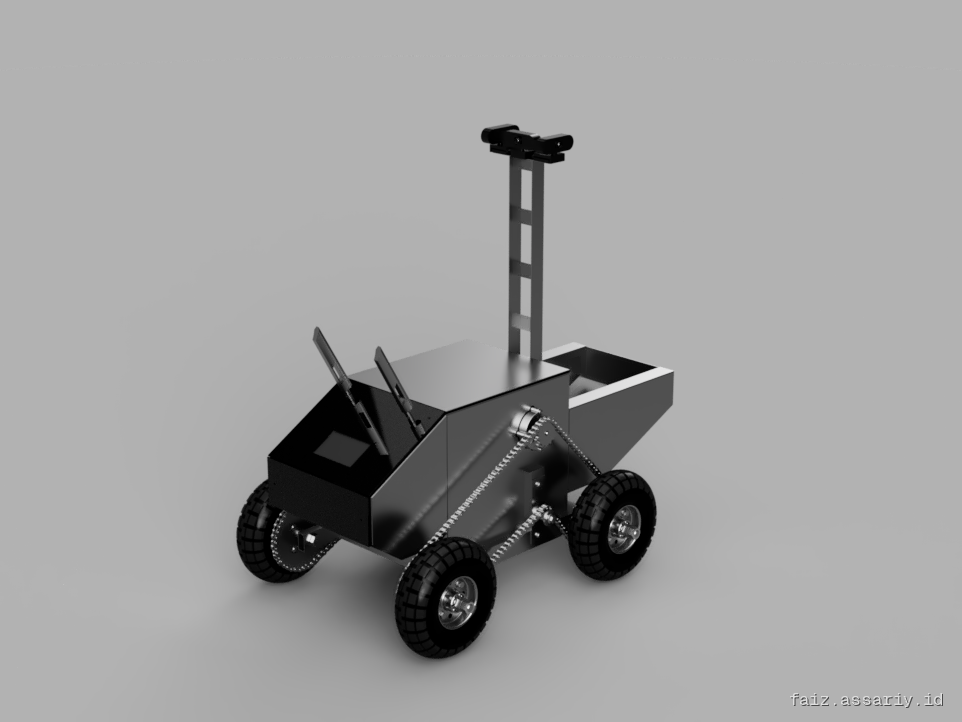
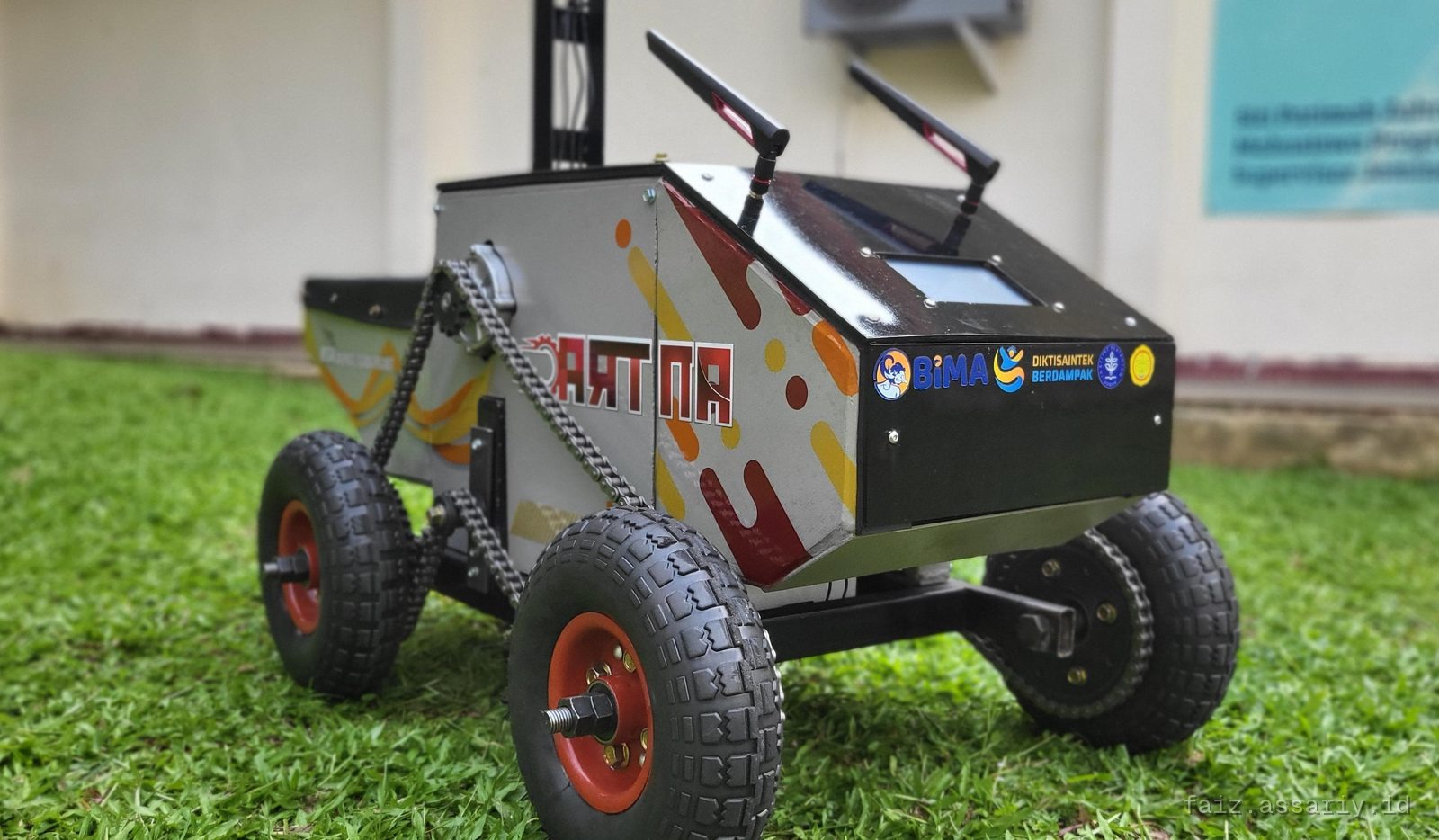
- Led 3D mechanical design in Fusion 360: chassis, drivetrain, and mounting for the vision and spraying payload.
- Fabricated the structure in the workshop: machining, welding, and 3D printing.
- Handled electrification and wiring, including power distribution and grounding for the ESP32 and motor stages.
- Reverse-engineered an off-the-shelf DC motor controller with no OEM documentation to add radio control.
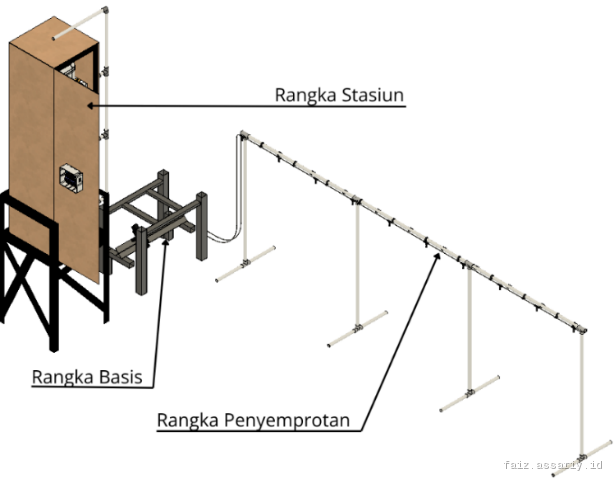
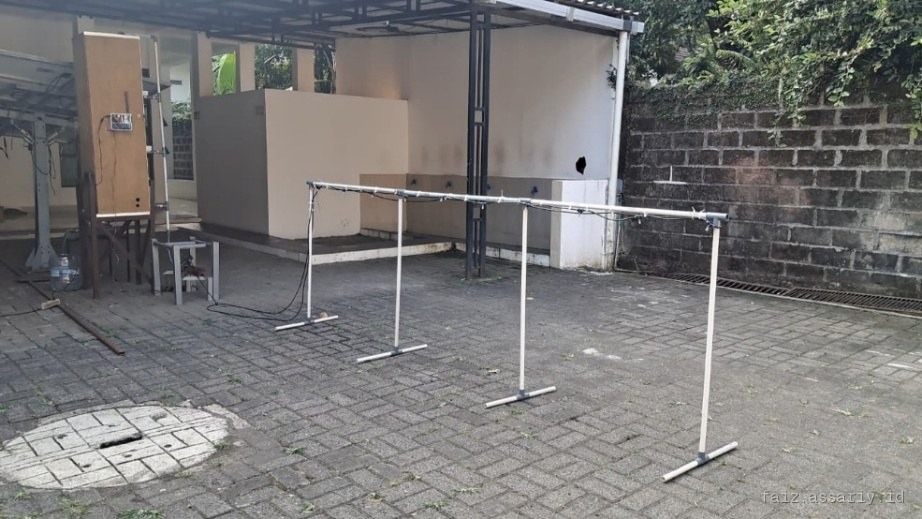
- Integrated the pesticide spraying station with the vehicle platform, which became my final project and a journal paper.
Constraints and hard parts
- Uneven soil and vibration demanded a chassis that could be repaired in a workshop, not a clean room.
- The motor controller shipped with no protocol documentation, so the control path had to be recovered by measurement.
- Power for motors, pumps, and compute had to share one battery budget without browning out the ESP32.